Game developers and designers share many similarities, as both fields focus on creativity, user experience, and visual communication.
Both aim to create engaging, meaningful, and visually appealing experiences for their audiences — whether it’s through gameplay or design visuals.
Both focus on user needs and emotions:
Game designers create immersive worlds that respond to player choices.
Designers use empathy to craft interfaces and experiences that feel natural.
Both rely on data to improve outcomes:
Game designers track player behavior (retention, engagement).
Designers use analytics and A/B testing to refine visuals or layouts.
Both must balance creativity with ethics:
Game designers handle sensitive topics, player well-being, and screen time.
Designers must ensure inclusivity, accessibility, and avoid manipulative design.
1970s–1980s
Birth of video games (e.g., Pong, Super Mario Bros).
Rise of 3D graphics and home consoles (PlayStation, Nintendo 64).
1990s
2000s
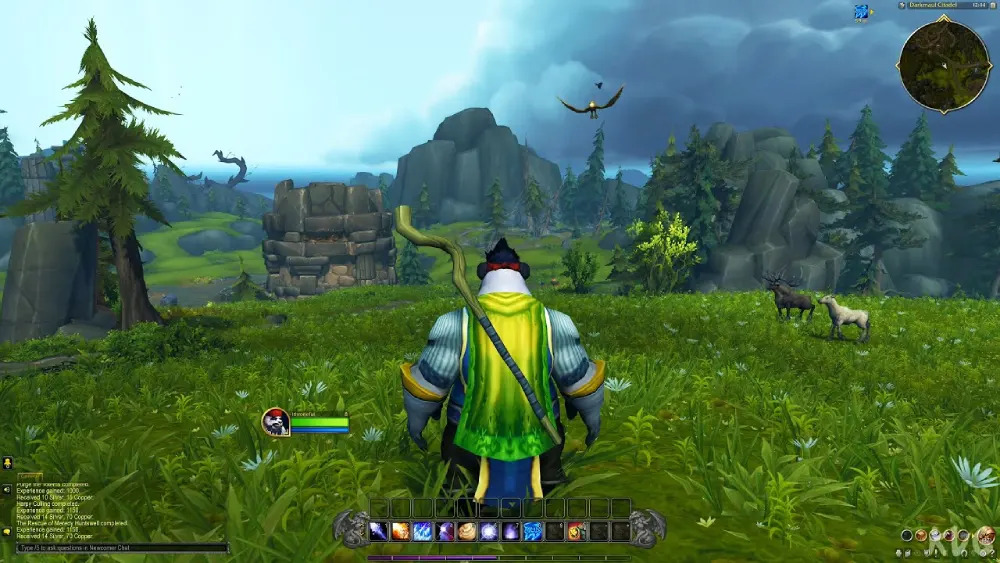
Online and mobile gaming boom (World of Warcraft, Angry Birds).
Indie games and esports growth (Minecraft, League of Legends).
2010s
2020s
Cloud gaming, VR/AR, and AI-driven design (Fortnite, Roblox, VRChat).
Problem:
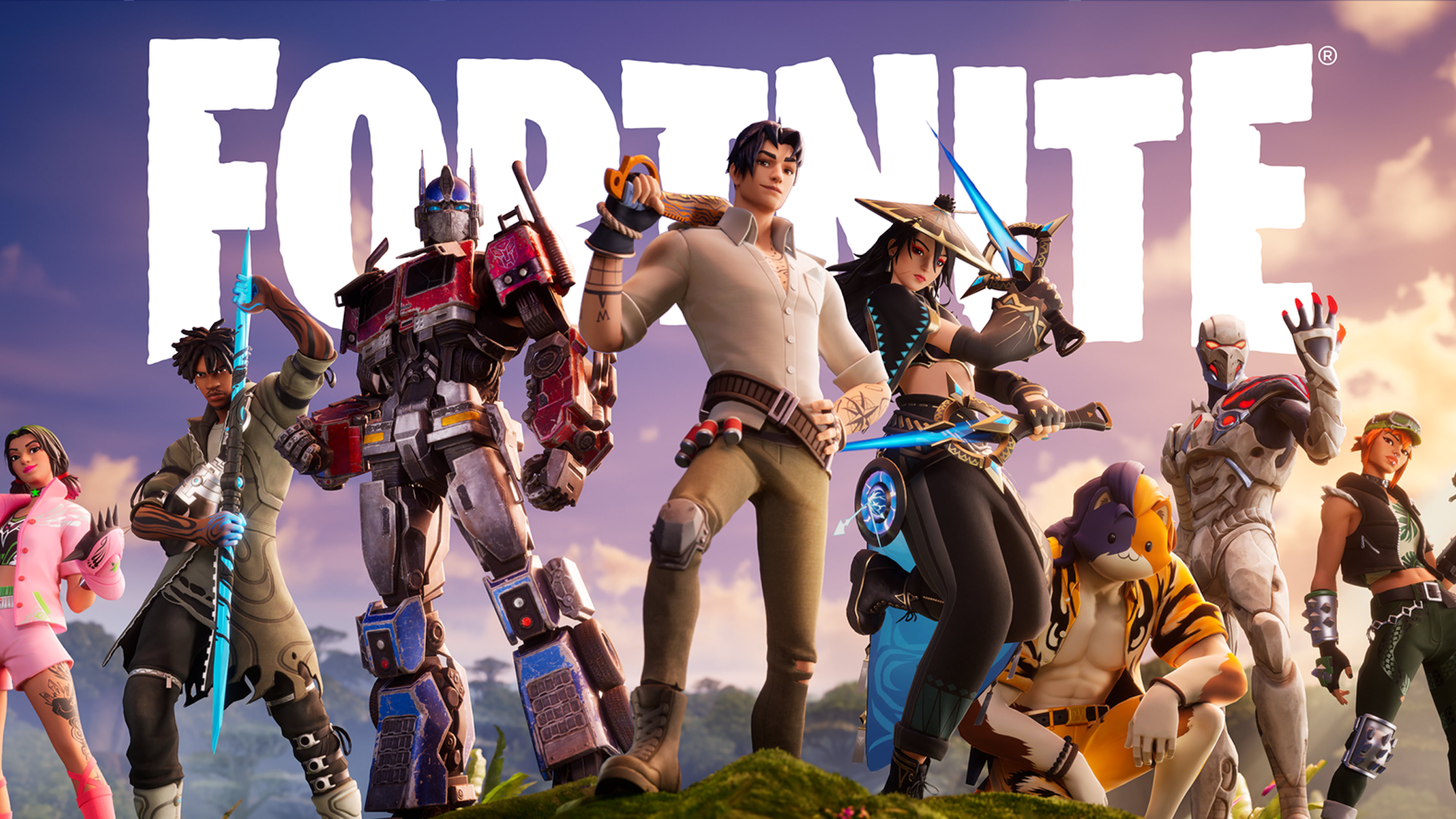
In 2018, Fortnite had millions of new players each month, but many beginners left early due to complex menus and unclear controls.
Solution:
Epic Games redesigned the user interface — simplifying navigation, adding visual tutorials, and reorganizing the main menu with stronger color hierarchy.
Result:
25% improvement in new player retention (within 30 days).
Average session time increased from 12 minutes to 18 minutes.
Problem:
Certain champions were dominating matches, causing frustration and imbalance.
Solution:
Riot Games used data analytics and player feedback to guide iterative updates. Designers visualized complex data (win rates, pick rates) to adjust gameplay and UI elements.
Result:
Player satisfaction scores rose by 22% after rebalancing patches.
Competitive match fairness increased, improving global esports viewership.
Problem:
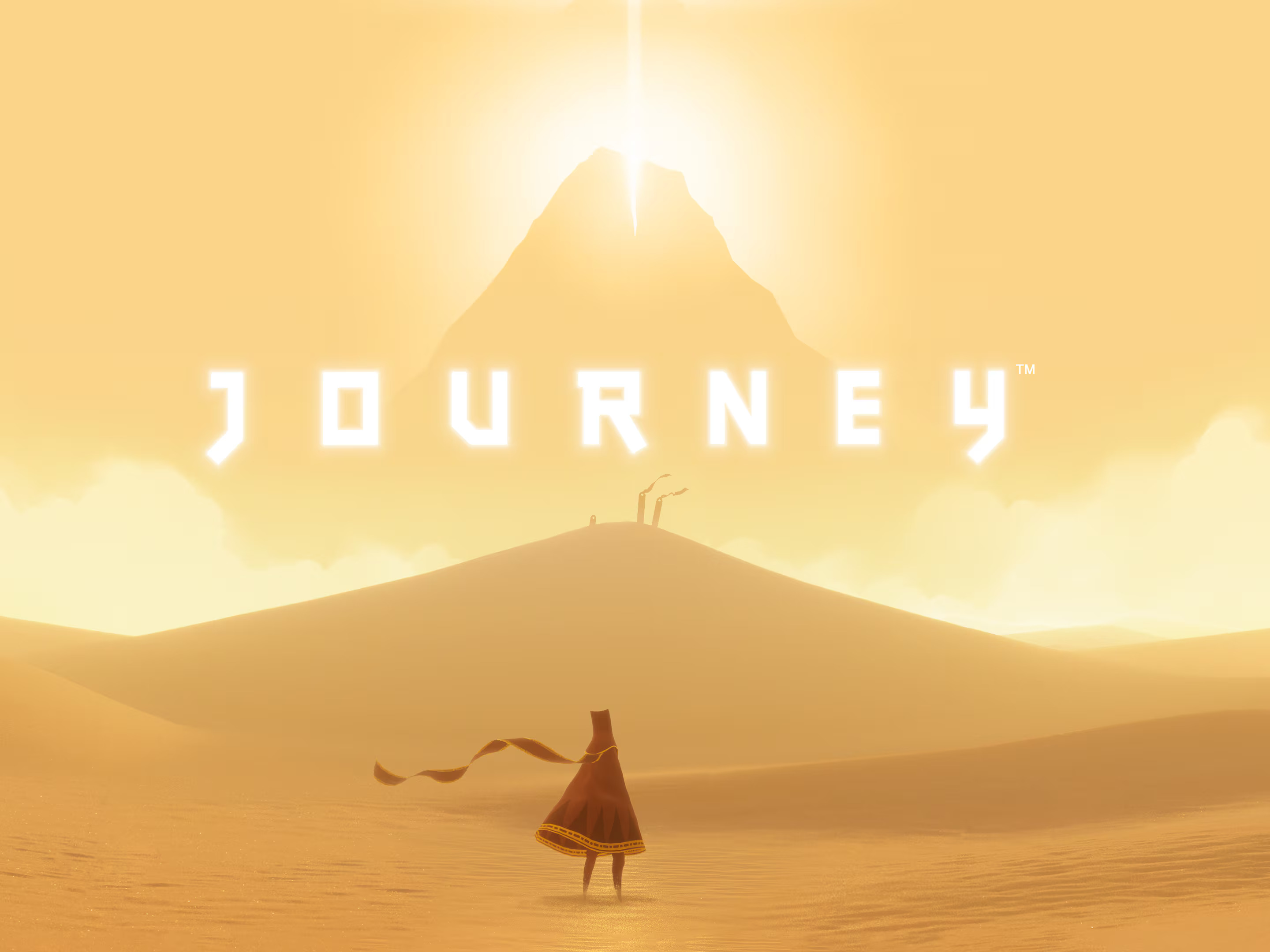
Thatgamecompany wanted to create a deeply emotional experience without dialogue or text, relying solely on visuals and music.
Solution:
Designers used color, lighting, and sound to communicate mood and story. They followed a “less is more” design philosophy — focusing on emotional connection rather than mechanics.
Result:
Journey won 5 BAFTA awards including Artistic Achievement.
Over 6 million downloads, praised for emotional depth and visual design.